How checks work
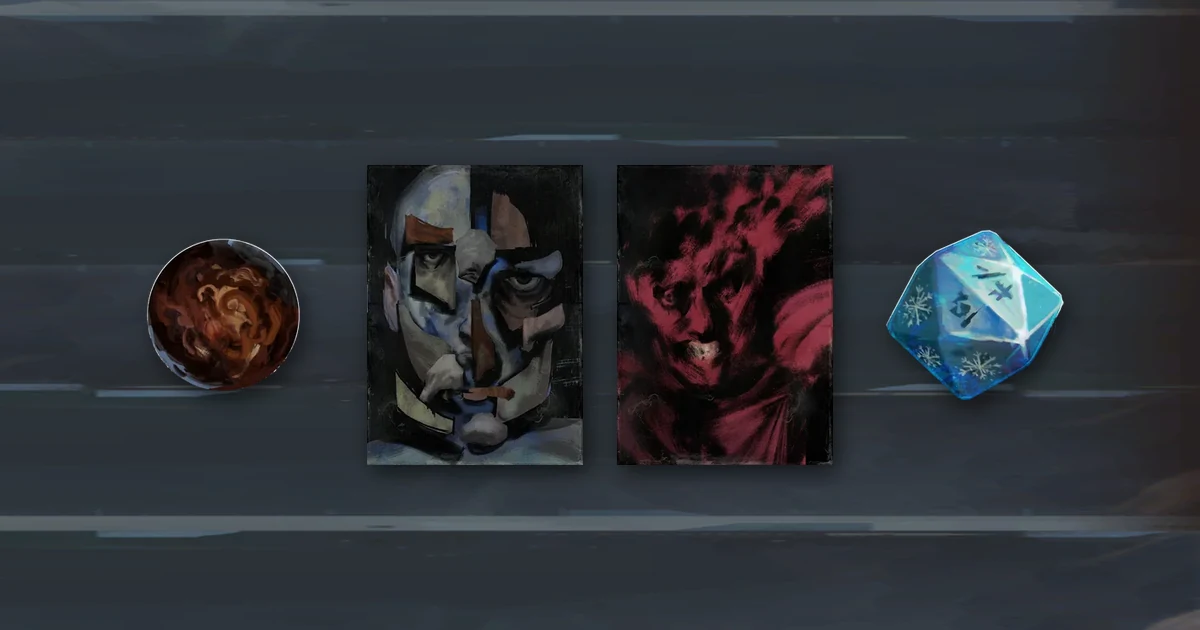
For an ordinary active check, roll two six-sided dice and add your effective skill. The total must meet or exceed the target. Double ones fail and double sixes succeed under the ordinary critical rules. A scripted outcome or a special effect can override those dice rules.
| Difficulty | Success chance |
|---|---|
| 6 Trivial | |
| 7 Trivial | |
| 8 Easy | |
| 9 Easy | |
| 10 Medium | |
| 11 Medium | |
| 12 Challenging | |
| 13 Formidable | |
| 14 Legendary | |
| 15 Heroic | |
| 16 Godly | |
| 17 Impossible | |
| 18 Impossible | |
| 19 Impossible | |
| 20 Impossible |
The table is a starting comparison, not a promise that a check is available. Select an individual check in Check Odds to include its known modifiers. Mark only the conditions that apply to your playthrough; unanswered conditions remain outside the result.
White and red checks have different retry rules. Read the check’s own page for its conditions and outcomes rather than assuming that any story progress will reopen it.
Passive checks use skill comparisons instead of a dice roll. Some lines depend on a failed comparison, so raising a skill does not simply reveal every line. A skill’s voice index shows the comparison and context for each line.